











// Hardware / 72-hour burn-in on every server
Hardware, named part by part.
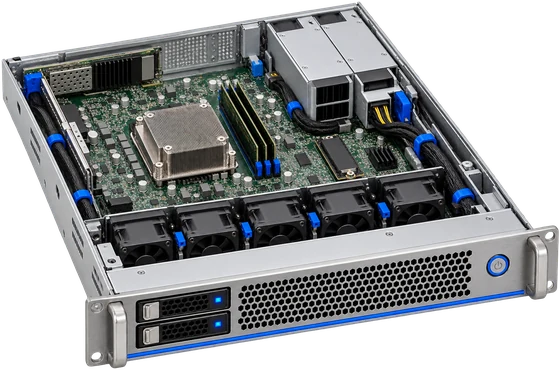
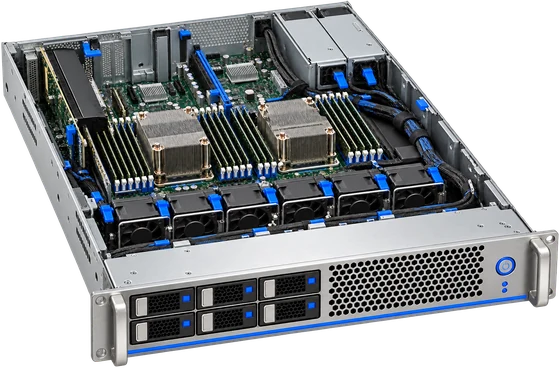
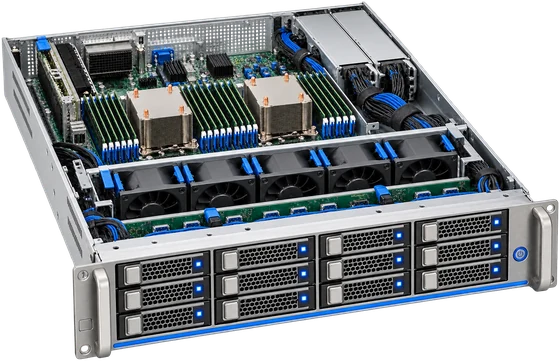
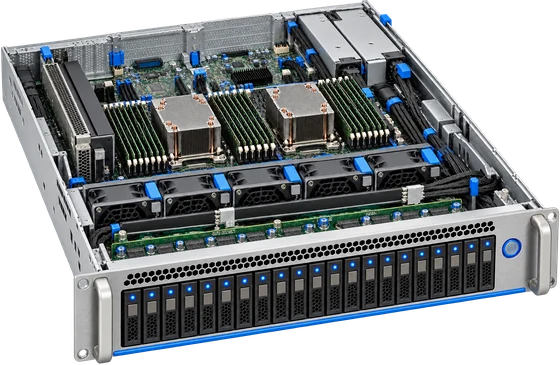
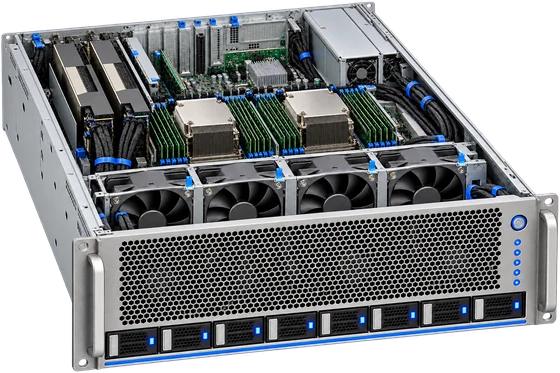
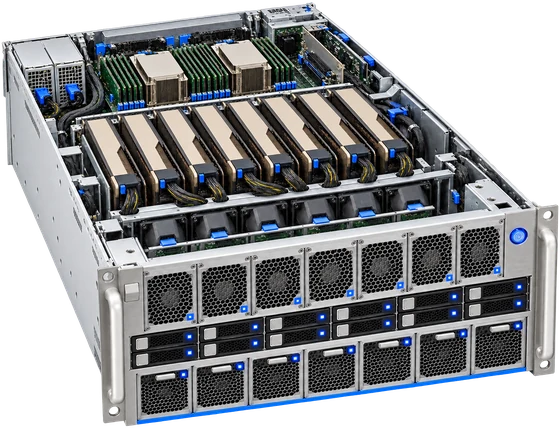
We buy current enterprise server parts from a short list of manufacturers, then assemble every machine ourselves and burn it in for 72 hours. Each server's page lists the exact components, down to the drive model and the network card, so you know what you are renting before you order.
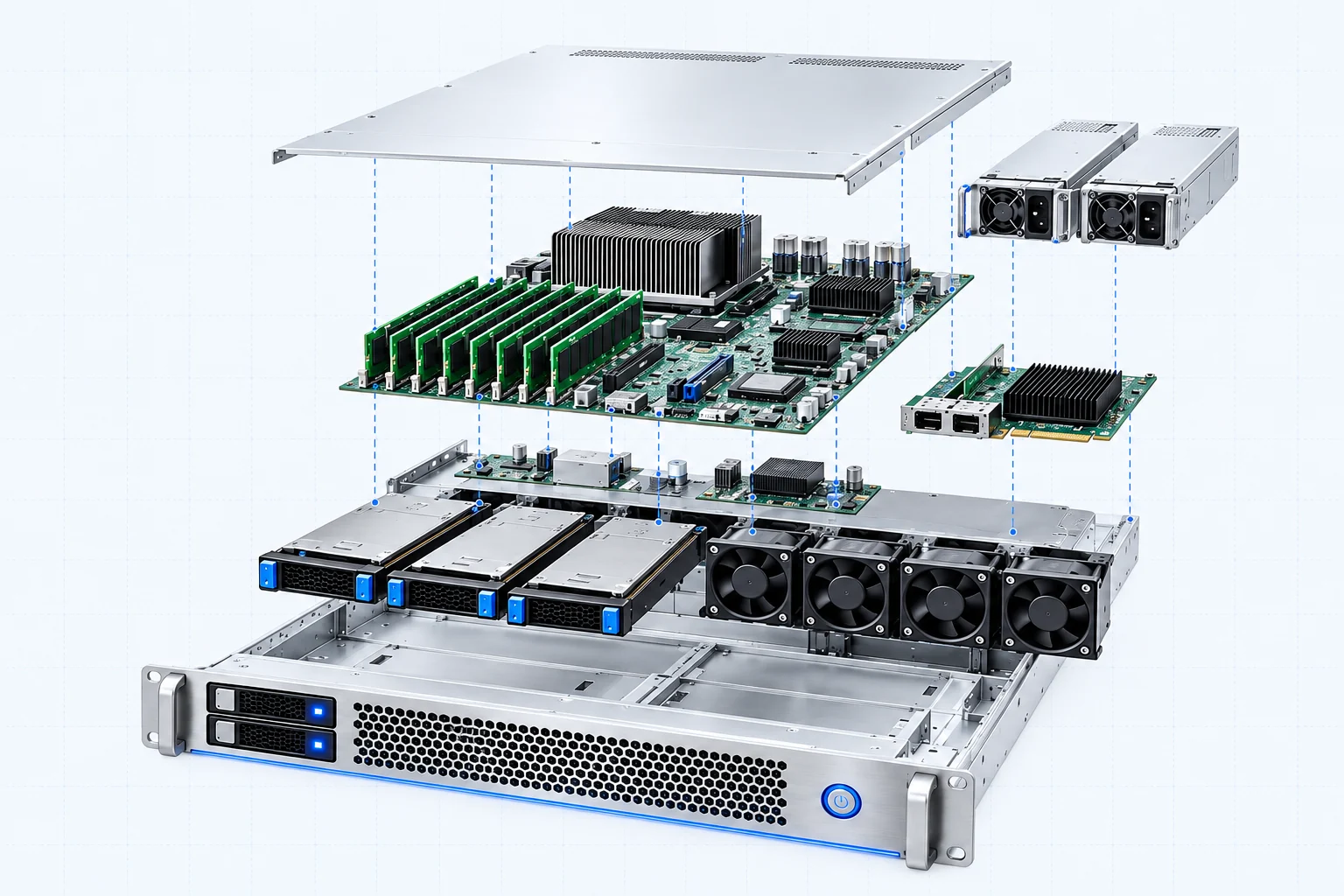
What goes into our servers
// Processors
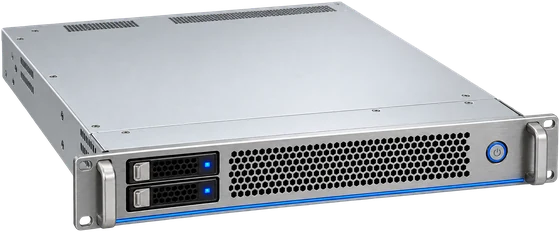
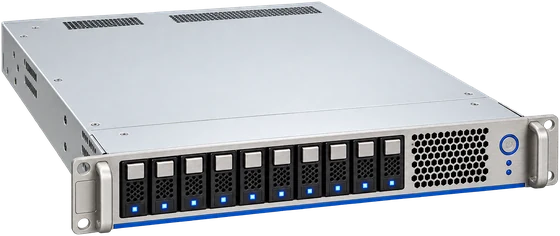
Frost and the entry models of the other families run on AMD EPYC 4005 processors. The larger models use EPYC 9005 "Turin", and one dual-socket Polar model is built on Intel Xeon 6.
The life of a server
Every server in our catalog starts as new parts on a technician's workbench. We build it, test it under load for 72 hours and install it in the data center you chose, then maintain it until it is retired.
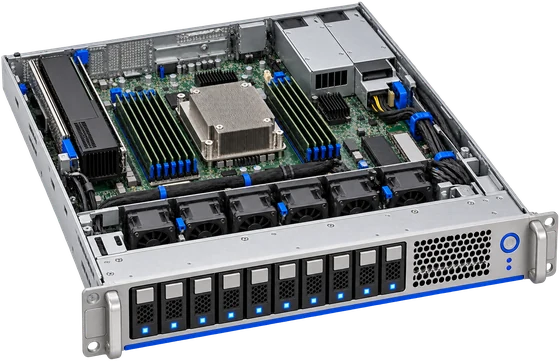
- Processor
- AMD EPYC 9555P
- Memory
- 12× 64 GB DDR5-6000 ECC RDIMM
- Storage
- 4× 7.68 TB Micron 9550 PRO
- Network
- NVIDIA ConnectX-6 Lx · 2× 25 GbE SFP28
- Chassis & power
- 2× 1600 W 80 PLUS Titanium
- Management
- ASPEED AST2600 · IPMI 2.0 · Redfish
Parts list of a FJORD-9555P as built. All parts are new and recorded by serial number.
- new components
- 100%
- manufacturers
- 6
- server models
- 49
- Processor
- Memory
- Storage
- Benchmarks
- of stress tests
- 72 h
- benchmark runs, median kept
- 5
- of servers tested
- 100%
- Power on feed A and feed B
- Links up on both switches
- Management console reachable
- Reachable from the internet
- standard rack height
- 42U
- servers per rack on average
- 16
- delivery of a server in stock
- 10 min
- Monitoring, every minute
- Planned maintenance, announced 5 days ahead
- Repairs, within 2 hours
- hardware replacement
- 2 h
- network SLA
- 99.99%
- notice before planned maintenance
- 5 days
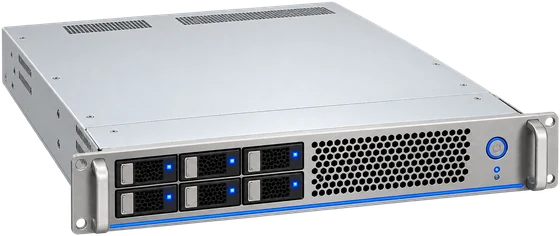 In the catalog
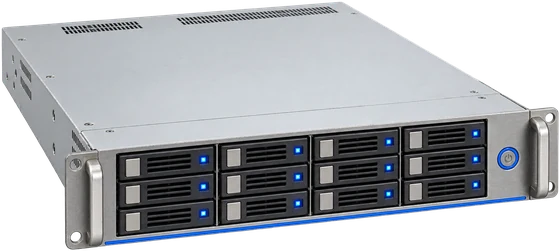 In the outlet
- servers in the outlet
- 51
- lowest monthly price
- $45
- from payment to online
- 10 min
- Erased NIST 800-88 Purge
- Logged One record per serial number
- Recycled By a certified recycler
- NIST erasure standard
- 800-88
- of drives erased
- 100%
- of servers sent to certified recyclers
- 100%
Inside our data centers
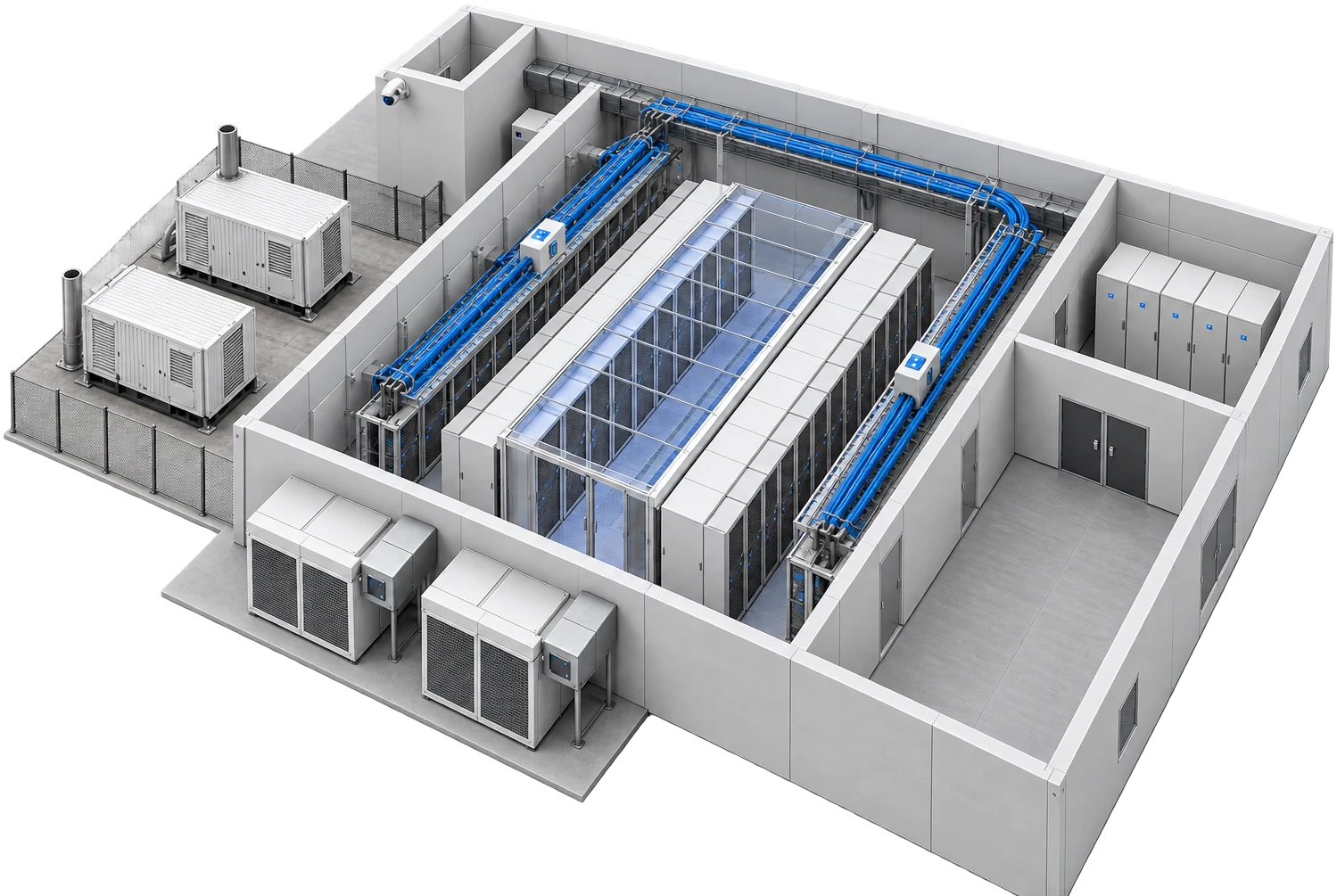
Our data center halls are built so that no single power or network failure takes a server offline. Each rack has two power feeds backed by UPS and generators, fiber leaves each building by two separate routes, and staff are on site around the clock.
-
The racks draw their power through UPS systems, configured as 2N at seven of our eight sites and as N+1 in Oslo. A utility outage therefore does not reach the servers.
Site by site
LuleåArctic campus
- Power
- 2× 40 MW grid feeds from the Lule River hydro plants, 2N UPS, generator backup on renewable HVO fuel
- Cooling
- Direct outside-air free cooling about 8,300 hours a year, evaporative assist in summer
- Security
- Staffed 24/7, three access layers, biometric doors, CCTV with 90-day retention
- Interconnection
- 2× 400G to Stockholm and Netnod, diverse fiber paths to Oslo and Helsinki
Redundancy at every layer
Each layer between your server and the internet has a backup. The table shows what takes over when a part fails, and what you would notice, if anything.
Monitoring and repairs
Sensors in every rack and in every server report to engineers on call around the clock. When hardware fails, the technicians at the site already have the replacement part.
42U rack, front
Inlet air temperature
- BMC
- Temperatures, fans, power supplies, memory errors and drive health of every server
- PDU
- Power drawn on feed A and feed B of every rack
- Network
- Errors and optical signal levels on every link
- Status page
- Checked from outside our network every minute
- 0 sAlert raised
- 1 minThe engineer on call is paged
- 15 minFirst reply to a critical ticket
- 2 hFailed part replaced
Who does the work
- Data center techniciansThey build, install and repair the servers, with spare parts for every model kept on site.
- Network engineersRouting, peering and DDoS mitigation are their job, and the team is on call around the clock.
- Support engineersYour tickets are answered at any hour by engineers who run the platform themselves.
- engineers on call
- 24/7
- critical tickets
- 15 min
- hardware replacement
- 2 h
// Deploy today
Configure your server in two minutes.
- No setup fee
- Price never raised
- Cancel any month